The Science of Sound: How Sound Healing Supports Rest & Wellbeing
THE SCIENCE - How it works
Research into sound-based meditation and singing bowls is still emerging, but early studies suggest that these practices may support relaxation, reduce feelings of stress and anxiety, and positively influence mood and wellbeing.
Some studies have also observed changes in physiological measures such as heart rate, blood pressure and cortisol following sound-based practices. However, research specifically into singing bowls remains relatively small, and more high-quality studies are needed to understand exactly how and why these effects occur.
What we do know is that sound, music and meditative listening can influence our experience of stress and relaxation, giving us an opportunity to slow down, focus our attention and step away from everyday stimulation.
THE SPIRITUAL — Ancient wisdom
Long before sound became a subject of modern research, it held an important place in ritual, meditation and ceremony across cultures around the world.
Different traditions have understood sound and vibration in their own ways - from chanting, bells and drums to singing bowls and other resonant instruments. For many, sound has been used as a way to mark transitions, deepen meditation, create connection and invite moments of reflection.
Some spiritual traditions also associate particular sounds and vibrations with energy centres within the body. These ideas belong to spiritual and traditional belief systems rather than established medical science, but they continue to influence many contemporary sound practices.
THE BENEFITS - What you may experience
Sound healing is deeply personal, each session can feel entirely different. Common experiences include a profound sense of calm, emotional release, vivid imagery, and a feeling of being reset from the inside out.
Deep relaxation
A chance to pause and step away from constant stimulation.
A calmer state of mind
Many people describe feeling quieter, lighter or more settled after a session.
Reduced feelings of tension
Research into singing-bowl meditation has reported reductions in self-reported tension and anxiety, although evidence is still developing.
Rest & reflection
Simply lying still and listening can create rare space to do very little.
A sense of connection
Sound can become a focal point for meditation, presence and shared experience.
Better body awareness
The changing tones and vibrations can encourage you to notice your breath, body and surroundings more closely.
Experience it for yourself
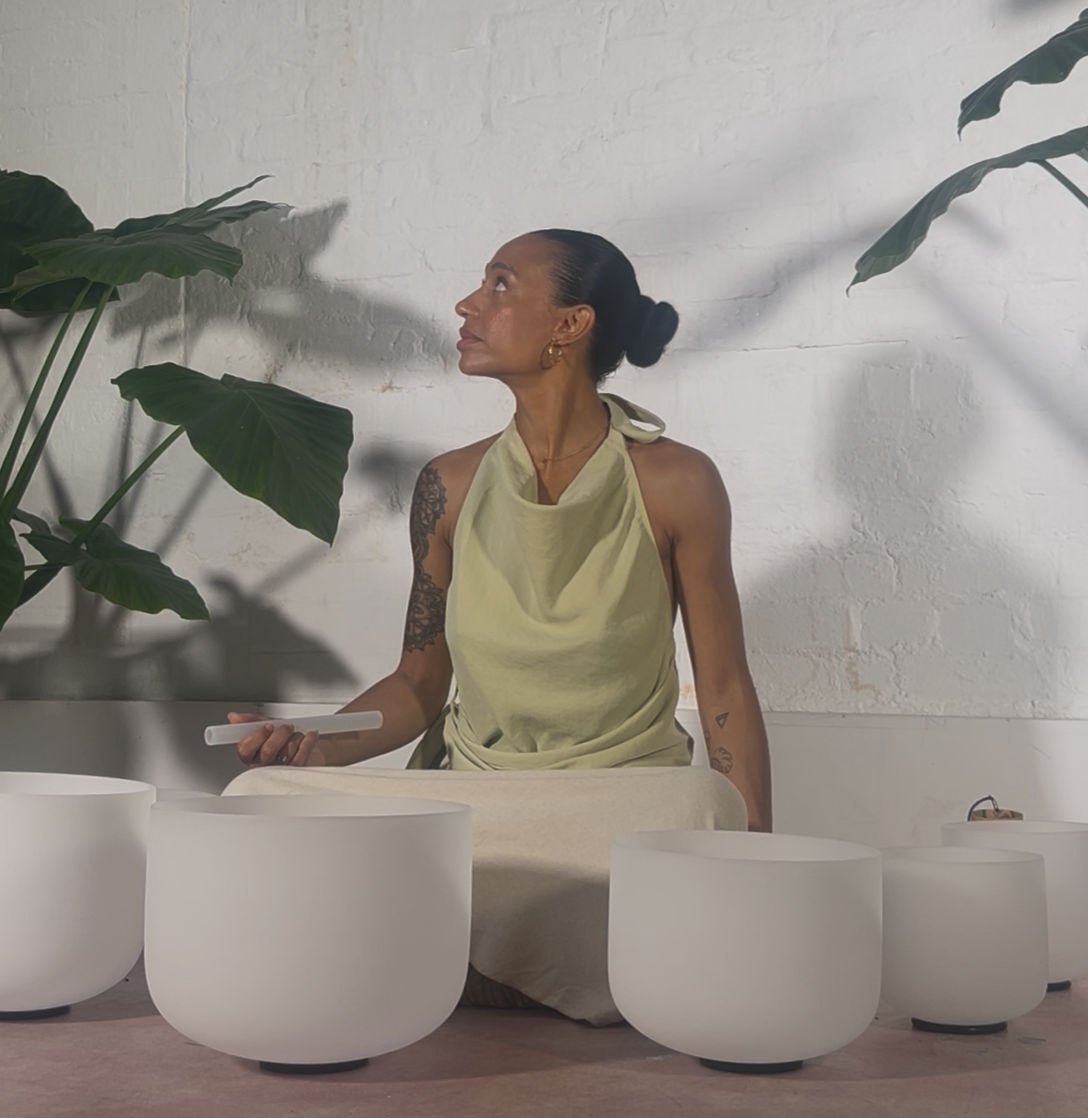
Curious about sound beyond the science? Explore Nia Rituals sound experiences for private sessions, group sound baths, retreats and corporate wellbeing.
Further Reading & Research
1. The human health effects of singing bowls: A systematic review
Stanhope & Weinstein, Complementary Therapies in Medicine (2020).
A useful starting point because it specifically reviews the research on singing bowls and discusses both the promising findings and the limitations of the evidence.
Read the systematic review on PubMed
2. Therapeutic effects of singing bowls: A systematic review of clinical studies
Integrative Medicine Research (2025).
This is the most up-to-date broad clinical review I found. It examines 19 clinical studies published through 2024, including research into anxiety, sleep, mood and physiological outcomes.
Read the 2025 systematic review
3. Effects of Tibetan Singing Bowl Intervention on Psychological and Physiological Health in Adults: A Systematic Review
Healthcare (2025).
A newer review specifically looking at Tibetan singing bowls and psychological and physiological outcomes in adults.
Read the full review
4. Effects of Singing Bowl Sound Meditation on Mood, Tension, and Well-being
Goldsby et al., Journal of Evidence-Based Integrative Medicine (2017).
An observational study examining people's reported experiences following Tibetan singing-bowl meditation, including mood, tension and anxiety.
Read the study on PubMed
5. Effects of music interventions on stress-related outcomes: A systematic review and two meta-analyses
de Witte et al., Health Psychology Review (2020).
This moves beyond singing bowls and looks at the wider evidence around music interventions and psychological and physiological stress.
Read the review on PubMed